A Snakes Paradise: Artist Interview w/ Joél
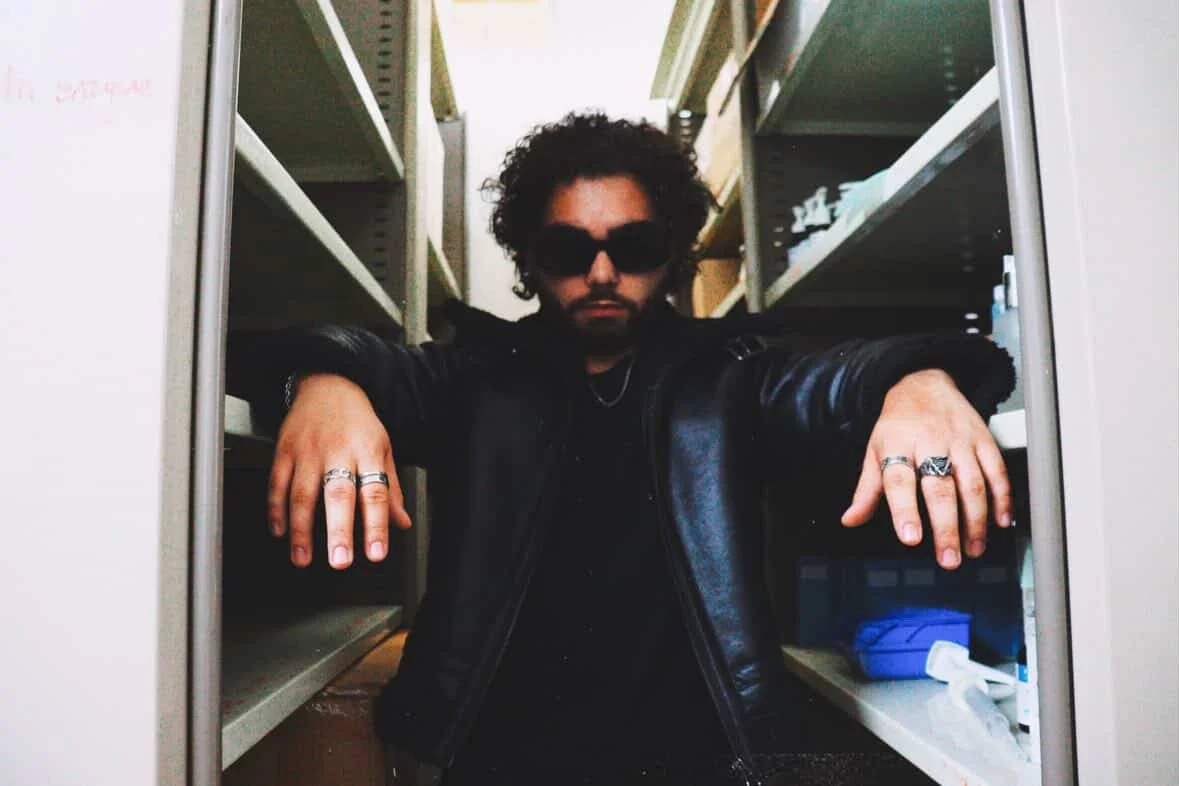
Pop, rock, indie and RnB are artist and producer Joél’s forte. With one story-based concept EP, Fourth Avenue, and a number of accompanying music videos already under his belt, Joél steps into a new moodier, heavier, darker and rock-inspired era with the release of his newest single, “A Snakes Paradise”, along with the accompanying visually aesthetic music video.
As we talk, Joél dives into the art of songwriting through producing, transitioning between genres, concept albums and hints, “A Snakes Paradise”, as well as all that can be expected for his new EP: Written, To Never Be Read.
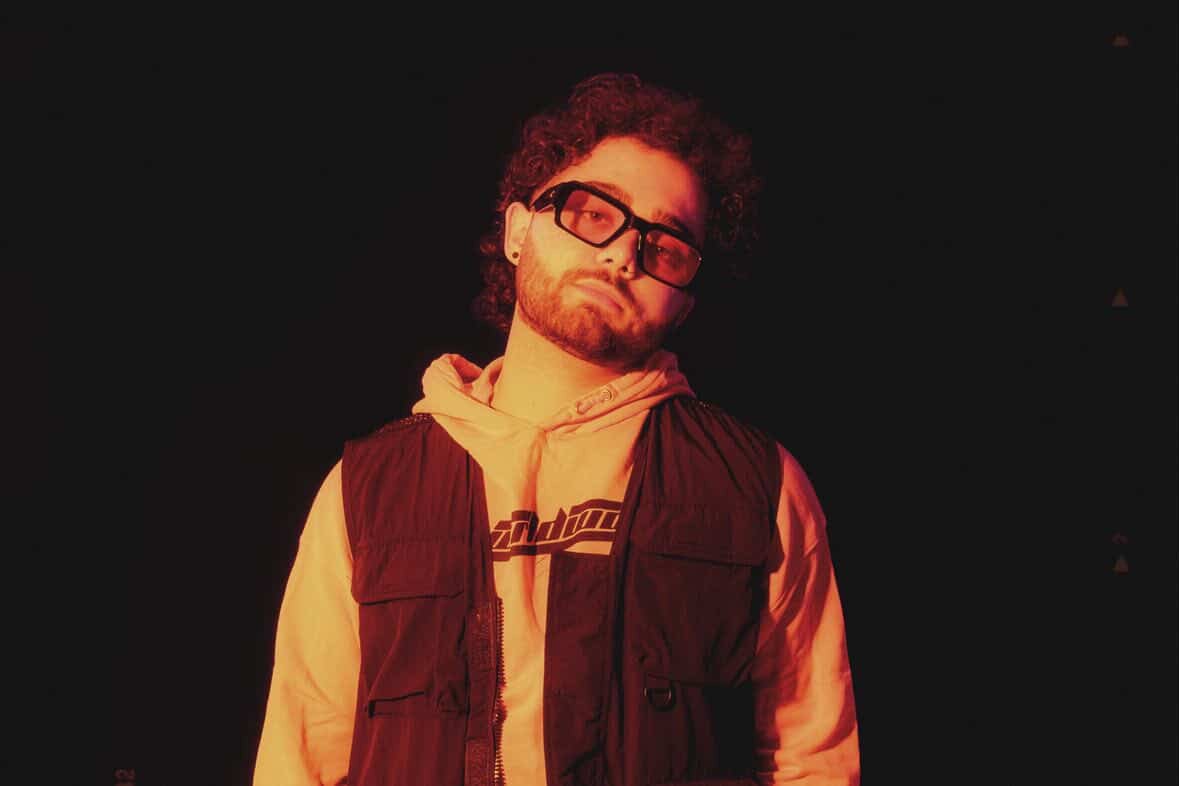
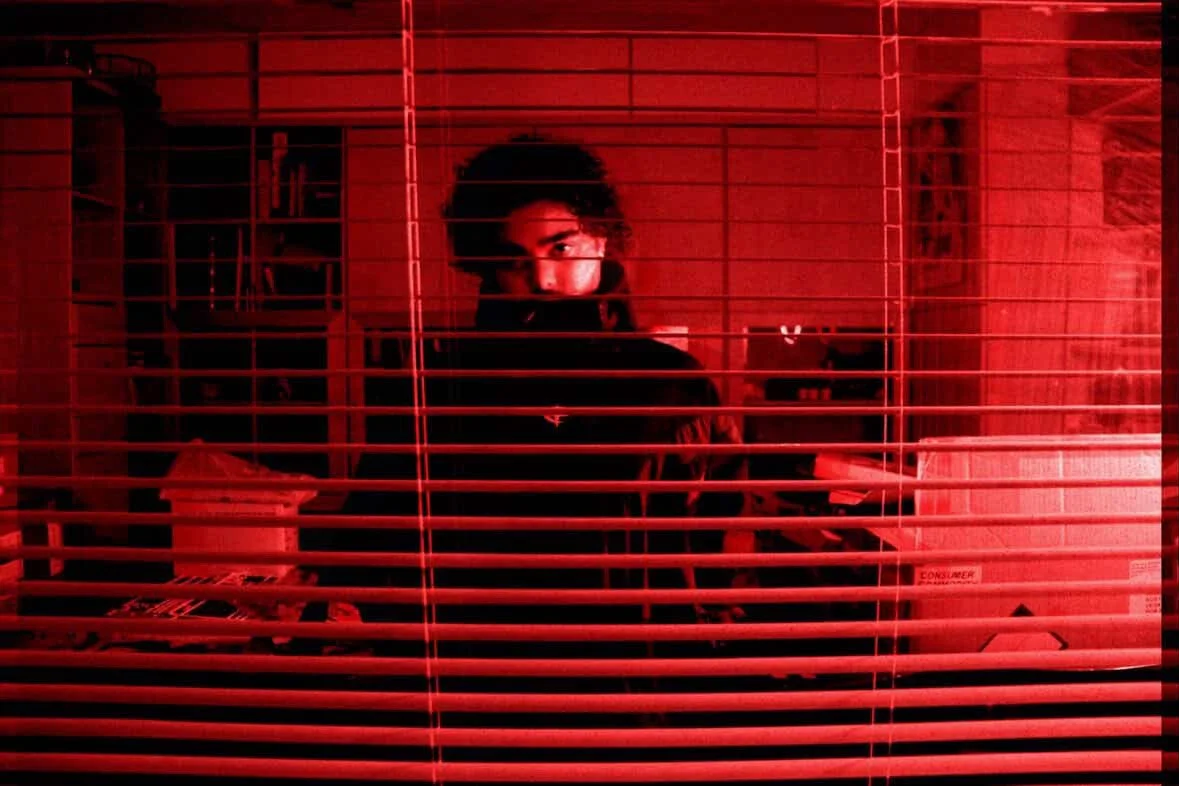
How did you get into songwriting?
Joél: Ooh. I'd always been into music; my dad is a muso, so I grew up around a lot of bands and music culture. Through high school and university I started doing more original band [work], and after my first few bands, I wanted to start doing some of my own solo projects too.
Did your dad's style or music influence your style?
Joél: A little bit. Maybe not so much on the songwriting side, but definitely when it comes to [live] performances, ‘cause he's really good at working the crowd and getting [them] on his side. Also, just being in that industry and atmosphere growing up definitely influenced my style.
It's really interesting that you produce your own music. I was wondering when you decided to begin producing your own work?
Joél: I remember it was 2019, I got a pirated version of Logic or something like that, and I was self-teaching how to produce. I couldn't really play keys, or guitar, or anything back then, so I did a lot of sample work. I self-taught through COVID up until I finished high school and then decided to go to university to get better at producing, learn some new stuff and meet some new people.
I got really into it, and I sort of fell in love with it throughout the process.
Would you say producing is like another form of songwriting for you?
Joél: Yeah, I would definitely say so. ‘Cause you’re pretty much building a song when you are producing it. Songwriting can be as simple as just lyrics and structuring, like verse, chorus… [But] you can get really into it with the production side. Like for this verse only certain things come in and you only say [this] amount of words this time. So I definitely agree, I think [producing] is a form of songwriting.
What's your process for songwriting then? Do you have the finalised, produced version in your head first?
Joél: It's kind of funny. I like to at least have the structure or majority of the instrumental done first, not the final product obviously, but [the] majority of it. Once I've got a bed to go off of, it just makes it easier for me to find melodies and the phrasing. From there, I’ll build off that. For me personally, I find it easy to write this way.
It's kind of interesting that you produce first then create the music, 'cause do you produce with a story in mind you want to share? Or is it just certain sounds you want to get out, and then you create the story from there?
Joél: I guess a bit of both. To be honest, I knew that I wanted Fourth Avenue to be a sort of concept story with a narrator. 'Cause I'm a big sucker for those concept albums, so I really wanted to make one.
I was just in that space where I was making a lot of RnB, acoustic, poppy, indie-sort of sounds, and it fit really well with the kind of aesthetic. So sometimes, I will know exactly what it's gonna sound like.
Sometimes I'll sort of blend the songs together to make 'em sound a bit more cohesive, or just use similar plugins or patches to help 'em [fit together more].
So you're going into a new era, new EP, Written, To Never Be Read. I was curious, 'cause I watched the music video for “A Letter to Future You, From Present Me” and I noticed in the video at the end you switch from the white jacket into the black jacket.
Was that a purposeful hint at a transition into the new era?
Joél: It was definitely a hint. I wrote Fourth Avenue and the new EP close to each other. I finished Fourth Avenue first, [but] I didn't put it out just yet 'cause I was at uni and writing a bunch of other [music] for final assignments, and I ended up writing the next EP.
I knew the next EP was gonna be a bit darker, so I [thought] I'll do a change once the Fourth Avenue EP finishes; the outfits will [switch] and it will be a whole new [aesthetic].
I saw somewhere that it took you four years to fully write and finalise Fourth Avenue. I was wondering if this second EP, Written, To Never Be Read, has come easier to you? Was the process similar or different?
Joél: This EP was a bit easier, 'cause yeah, prior to doing Fourth Avenue, it was a lot of me just doing trial and error, making a bunch of songs and different styles and finding what I liked.
And then, like I said, because of uni I waited just in case I ended up making other tracks I preferred. So, Written, To Never Be Read did come a bit quicker because I knew a bit more what I wanted to do and it was easier to record.
You were saying before, this new EP is going to have a darker, moodier feel, a bit deeper and more introspective.
In the lead single, “A Snakes Paradise”, and in its music video, I was getting themes of - and I don't know if this is what you're intending - feeling trapped by yourself and self-sabotage.
Joél: It's interesting you think about it that way. I never thought of it from the perspective of being trapped, but also, I guess so. I wrote it from a situation I had where I sort of had a fallout with one of my really close friends, and just through that, [I] realised that they weren't really a good friend at all.
It was one of those toxic relationships, and it made me realise that they're gonna be trapped in their own cycle or way.
I was curious where the name or term “A Snakes Paradise” came from?
Joél: I was watching a nature documentary with my mom, and [the narrator] said, ‘This place is like a snakes’ paradise.’ My mom was like, ‘Oh, that's such a cool phrase; a snakes’ paradise.’ So I remembered it when I finished writing the song and was like, oh, this actually kind of works. It was a very spur of the moment, lucky little thing.
The music video has definitely got that switch over from your last style and EP work. I was wondering about the visuals, if it was more of a teaser for what we can expect from Written, To Never Be Read?
Joél: I kind of went into that music video [not] wanting it to be too story heavy, because I did a few other [music videos] that have been pretty story heavy and there’ll probably be some more story-based music videos for some of the other songs later on.
I wanted “A Snakes Paradise” to just be one of those music videos where the visuals match the lyrics closely. Also, in a lot of my other music videos I’m not really performing to the camera, whereas in this one, I'm actually singing and performing in front of it.
It was a bit of me just trying some stuff out and [having] a mood to fit the song. But there are elements of what will be in the other music videos throughout [that video] as well.
Is there anything in particular that audiences can expect from the new EP, Written, To Never Be Read?
Joél: I definitely think it's gonna be different to “Fourth Avenue”, because I remember when I put that EP out, a lot of people were already surprised, like, ‘wow, I didn't expect you to do a sort of RnB type of EP’. Now with this EP, it's more rock.
There are a few acoustic numbers on there, and there’s a bit of [a] genre change as well, which is the [joy] of being a muso that likes everything; it’s so much harder 'cause you’re just jumping between genre to genre. But yeah, I think they'll be surprised with the sort of sounds [on Written, To Never Be Read].
It's a bit more introspective and it's a bit more honest and deeper, whereas Fourth Avenue was still deep, but it was more story-based.
Is there anything else audiences can look forward to from you for this year?
Joél: I'm looking to do some live performances for Written, To Never Be Read, which will be exciting 'cause I play in a few bands, but I've never done a performance solely with my music.
support & keep up to date with Joél's work through: